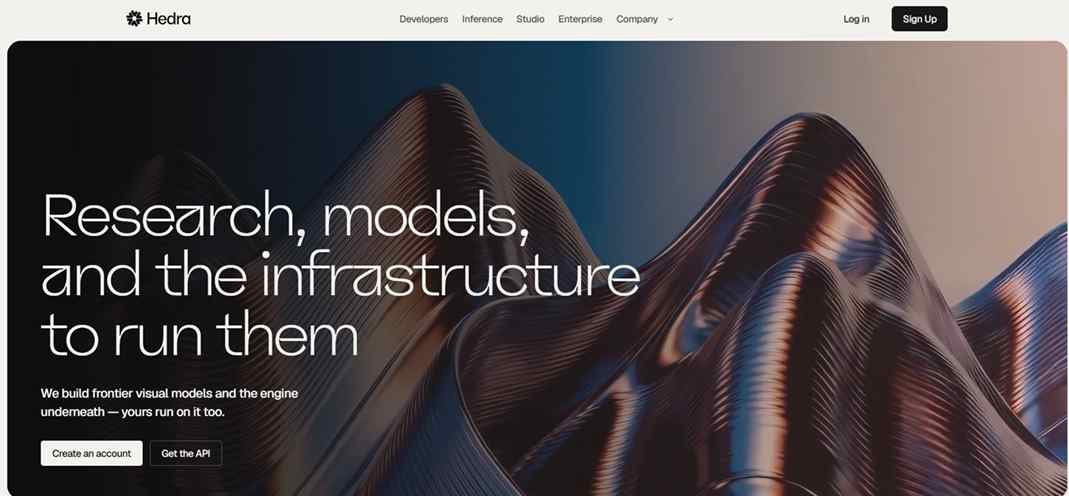
Hedra is an AI creative platform focused on turning characters, images, voices, and ideas into animated video. It is particularly known for character-driven content, where a still image can be combined with a script or audio track to create a speaking and performing character with synchronized lip movements, facial expressions, and natural motion. This makes it useful for creating AI avatars, UGC-style videos, digital presenters, social content, educational videos, storytelling, marketing campaigns, and other character-focused formats. Its Character 3 model can generate longer-form performance videos from an image and audio, with support for multiple speakers and videos of up to 10 minutes, making it suitable for applications that go beyond short talking-head clips. It also provides its own Avatar model for audio-driven talking videos, while its broader platform gives creators access to a growing selection of third-party image, video, and audio models. Users can choose models based on the type of content they are creating rather than being locked into one generation technology. The platform currently includes models such as Seedance, Kling, Veo, MiniMax, Wan, and other popular generative video systems, alongside image and audio tools. One of Hedra's more interesting features is its approach to character consistency.
Creators can save characters and other visual elements and reuse them across different scenes, poses, outfits, and projects. This is useful for brands, storytellers, and content creators who need the same character to appear consistently throughout a campaign or series rather than generating a completely different identity each time. It also includes voice capabilities, allowing users to choose from a large collection of AI voices, record their own audio, or create a voice clone and then use it with an AI character. The platform supports multilingual workflows, making it possible to create localized versions of character-led content without recording every version manually. Beyond individual generations, it has evolved into a broader creative workspace where users can combine image creation, video generation, voice, editing, and other media tasks in one project. Its Creative Agent can help users plan, generate, edit, and assemble content, while the developer platform provides API access for teams that want to integrate selected models and capabilities into their own applications. For businesses comparing an Hedra alternative, important factors include avatar and character quality, lip-sync accuracy, voice options, character consistency, supported video models, editing features, API access, generation limits, and pricing. Hedra is particularly well suited to creators and businesses that want AI characters to do more than simply appear on screen and are looking for a platform where characters can speak, perform, and become part of repeatable video production workflows.


.webp)